Flying Tips
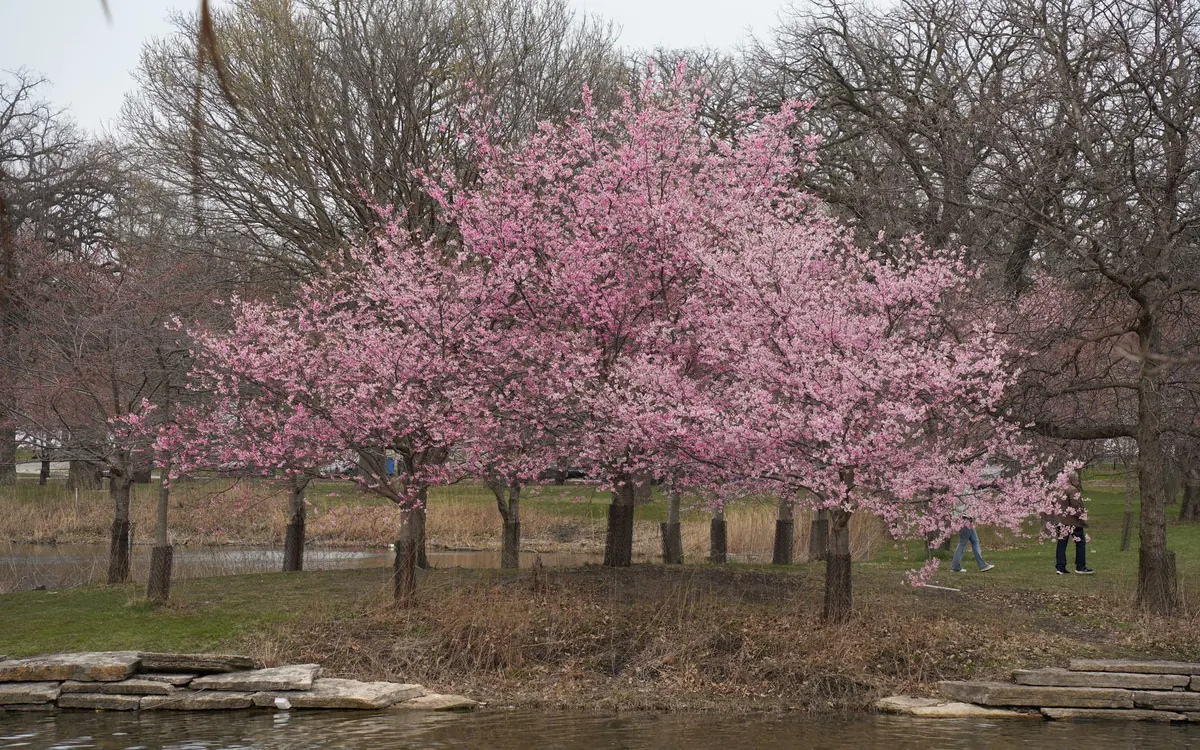
Kite Flying in Spring: Making the Most of the UK's Gustiest Season
Spring wind has a reputation, and it earns it. You can leave the house in a flat calm and arrive at the field to find a westerly pushing the hedgerow sideways. Twenty minutes later it drops, the sun comes out, and everything starts over. Flying through that takes a different approach from a settled summer evening, but it also gives you more usable days than any other season, provided you plan around the noise rather than the average.
Why spring air is so restless
The UK spends March and April under a jet stream that is still strong and still shifting, and Atlantic low pressure systems keep crossing. Then the sun joins in. Land warms quickly while the sea stays cold, so air begins rising in bubbles over ploughed fields, dark tarmac and car parks. Those bubbles become cumulus, and if they grow enough they become showers. Each shower drags cold air down with it and spreads it along the ground, which is what you feel as a sudden shove against the kite.
The practical consequence is that the average wind speed tells you less than the gap between the average and the gusts. A steady 12 mph is pleasant. The same 12 mph with gusts to 25 is a completely different session, and the gust figure is the one most people forget to check.
Read the gust, not the average
Any decent forecast shows wind speed and gusts in separate columns. Plan from the gust. If the gust is close to double the average, expect a hard, physical session and choose your kite accordingly. If the two figures sit close together, the air will usually feel smoother than the numbers suggest.
Then narrow it down locally. A weather station a few miles from your flying field is worth more than a regional forecast, and a beach webcam will tell you whether the sea is white-capped before you load the car. Check the wind direction as well as its strength: at the coast, a wind blowing offshore behaves very differently from the same speed onshore, and an inland site hedged on the windward side can be lumpy no matter what the forecast says.
Time of day matters too. Early mornings are usually the smoothest hours, before the sun has had time to stir up thermals. From late morning onwards the air gets bouncier, and if showers are forecast for the afternoon, the wind will strengthen and swing as they pass.
Kites that shrug off a gust
Gusty air rewards flexibility. A kite that bends, spills wind or can be flattened quickly will survive a spring afternoon; a stiff, highly strung design will not enjoy it.
- Single-line deltas with flexible spars. The classic spring kite. The frame bends under load and springs back instead of snapping, and a long tail damps the wobble.
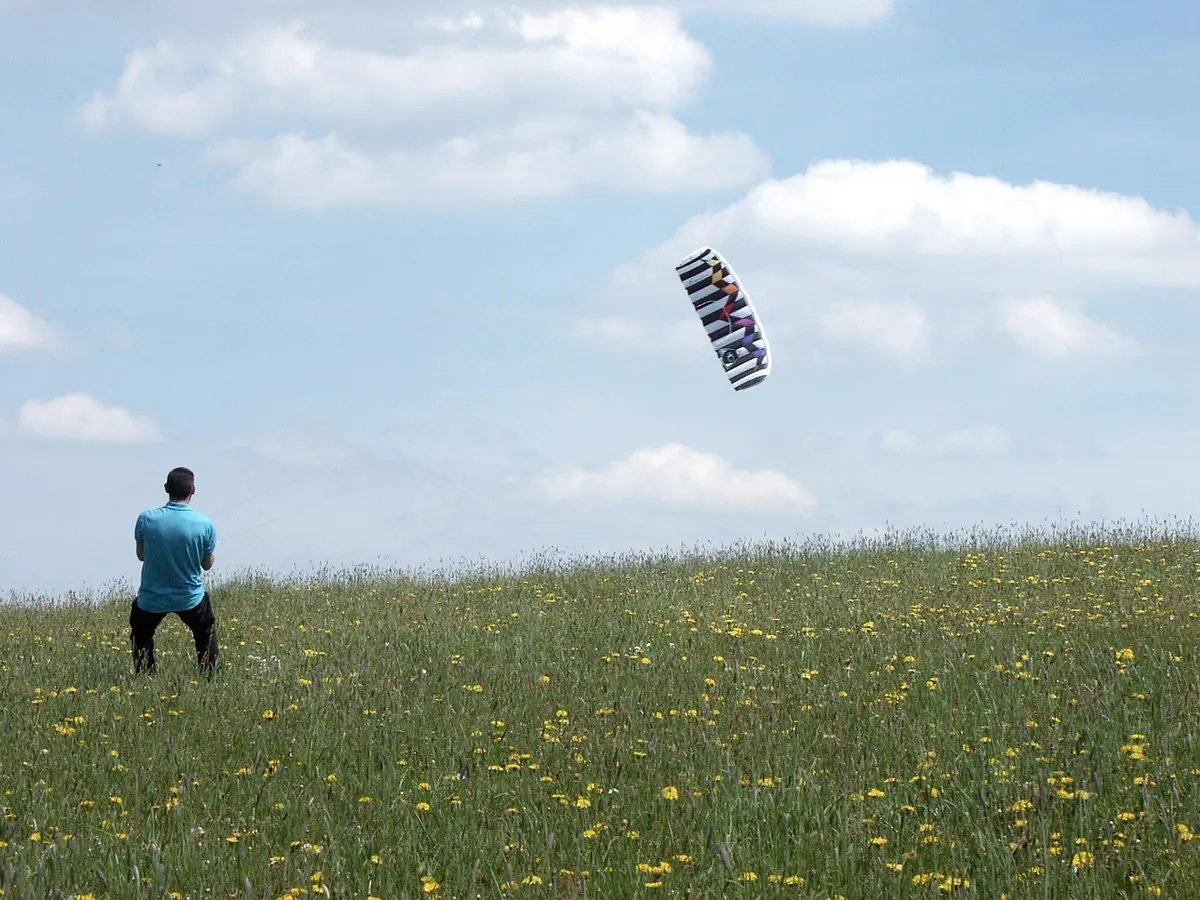
- Parafoils and other soft kites. No spars to break, and the canopy spills air at the top of a gust. A large one still pulls hard, so size it to the day.
- Box and cellular kites. Heavy and steady. They sit in lumpy air far better than their looks suggest, though they need a real breeze to fly.
- Dual-line foils with a brake bridle. You can flatten the kite and dump power in seconds, which is exactly what a gust asks for.
- Moderate-aspect sport kites with an adjustable bridle. Tune the kite for the conditions rather than swapping to a different one.
- Rokkaku and similar traditional designs. Strong lift and good stability, but they do pull, so keep a firm grip and a stake.
Leave the ultralights and high-aspect race kites at home. They are built for smooth air over flat ground, and a spring gust will fold or break them. Old, brittle spars and perished bridle lines are a false economy in this weather, too.
Rigging and flying tactics for bumpy air
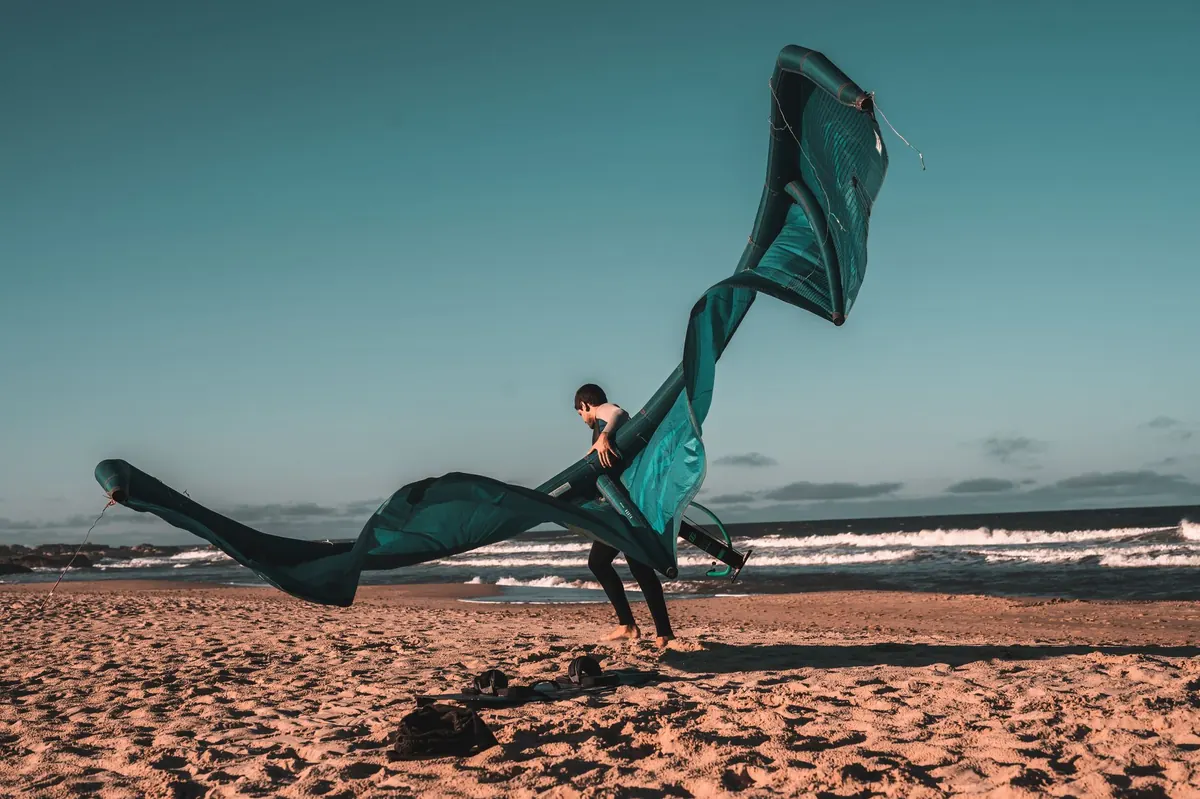
Most spring breakages happen on the ground, not in the air. Set up well clear of the turbulent zone downwind of trees, buildings and parked cars, and give yourself a long, open fetch upwind so gusts arrive with something like a steady push rather than a swirl.
Tune for the day
On a single-liner, fit a longer tail or a small drogue to slow the kite's reactions, and add a little ballast if it is hunting across the sky. On a dual-line kite, move the bridle towards less angle of attack so the kite sits flatter, and use shorter lines than usual: around 20 to 25 metres keeps the kite lower, reduces pull and lets you land quickly when the sky turns. If you fly on longer lines, remember you are sending the kite up into stronger, less sheltered air.
Fly the gust
Keep the kite moving and work the edges of the window, where the pull is lowest. Use the brakes rather than fighting the handles, and park the kite low when a gust hits instead of holding it overhead. If you are flying alone with a big single-liner, use a ground stake and a quick, tidy anchoring system, and have someone with you for launch and recovery when the wind is strong. Lines under load can cut, so keep them away from other people and never let anyone walk between you and the kite.
Showers, squalls and sudden shifts
A dark, low line across the western horizon is your cue. Squall lines arrive with a gust front ahead of the rain, which means the wind strengthens and swings before a single drop lands. Cold fronts do the same thing on a bigger scale. When you see it coming, land and secure the kite; do not try to ride it out, because the strongest air is usually the first minute or two.
Rain on a kite adds weight, stretches fabric and puts load on spars, and wet lines behave differently in your hands. If you get caught, dry the kite at home rather than stuffing it damp into a bag, where mildew will get to work. If you hear thunder, pack up and leave. No kite is worth being the tallest thing in a field.
Thermals, sea breezes and choosing a spring site
Inland, spring flying is a game of thermals. A bubble of warm air releases from a dark field or a sunlit car park, drifts downwind and dies, taking your kite up and dropping it again. Cumulus clouds mark where they are forming, and the busiest period is usually late morning to mid-afternoon. Expect patchy, stop-start lift and choose a kite that copes with it.
On the coast, the sea breeze does the same job on a larger scale. As the land warms, cool air moves in from the sea, often building through the afternoon. If the background wind is already blowing onshore, the two combine and the beach becomes noticeably fresher. If the background wind is offshore, the sea breeze can fight it, producing a messy boundary and a rapid change in direction as it wins. Watch the water for the first signs of ripples and whitecaps.
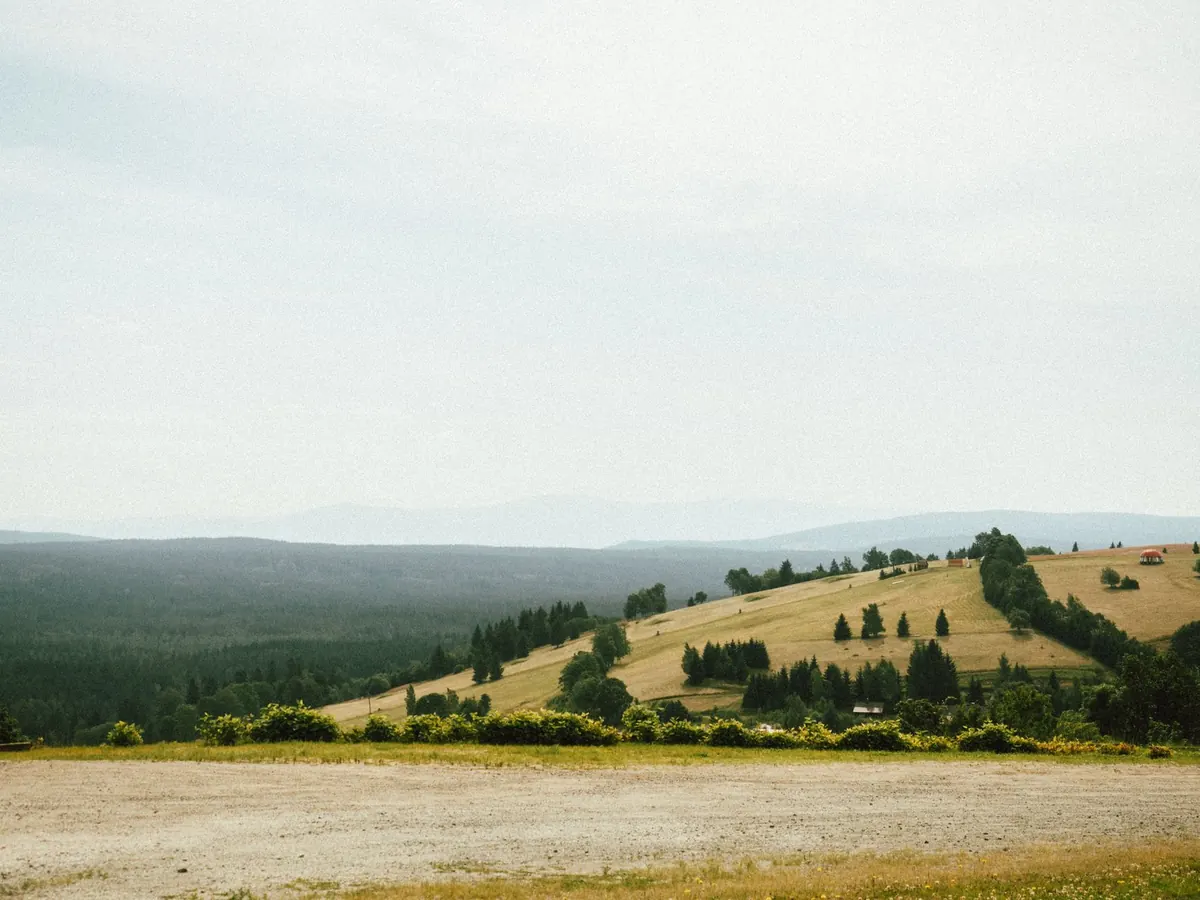
Site choice matters more in spring than at any other time. Open, well-drained ground with a clear upwind fetch is ideal. Avoid flying over roads, power lines, livestock or other people, and keep well clear of overhead cables and any airfield. Spring is also lambing and nesting season: fields with young stock and heathland with ground-nesting birds should be left alone, and some sites carry seasonal notices restricting where you can fly. Check signs, stick to paths and close gates behind you. A muddy, churned pitch is not worth the argument.
A spring routine worth repeating
None of this needs to be complicated. A short routine before every session will keep you flying when others have given up and gone home.
- Check the gust figure, the direction and the rainfall radar, then look at a local weather station or webcam.
- Pack for the gusts: a flexible single-liner or a braked foil, a tail or drogue, shorter lines, a stake and a groundsheet. Add warm layers and gloves, because cold hands make line handling clumsy.
- Set up in the open with a clear upwind fetch, and keep an eye on the western horizon throughout.
- Land early when a squall approaches, and dry everything properly at home.
Spring will not give you the long, glassy evenings of July. What it will give you is variety: strong days, soft days, thermals, sea breezes and the first warm afternoons of the year. Fly the conditions you actually have, keep the kite you can control, and this gusty, awkward, generous season will reward you more than any other.
Photo: Yusuf Mahammed / Pexels